
He sits atop this inglorious throne, oblivious to his true place in the music world. Like so many before him, he perceives himself to be a legend of rock history. Yet, as my good friend so eloquently put it, he's "everything that's wrong with rock-n-roll, in one man."
I could post a twelve hundred page thesis detailing the litany of reasons my hatred for this particular douche-nozzle runs so deep. Sometimes, though, images speak louder than words. And with that notion in mind, it is my unfortunate displeasure to present to you none other than...
Michael Anthony, the bearded, balding and bloated bassist for Van Halen.
Friday, February 12, 2010

Friday, January 22, 2010
Is imitation really the best form of flattery?
While the above aphorism may be true in many contexts, I venture to disagree with this maxim when it comes to music.
Today, I tackle the subject of cover songs. What is it about a good cover song that sticks with you; perhaps as being even better than the original? What are the elements of a bad cover song, and how to spot one when you... well... hear it? As usual, I come loaded with opinions on just these issues.
First things first:
What's the definition of a cover song?
Technically, the definition of a cover song is simply a song performed by one artist, but written by another. To me, however, it's not that simple. Often times, people write music without the intention of ever performing the song themselves. All of the big record lables staff a legion of professional song writers whose main function is to churn out chart-topping hits for the premier artists on their label. For example, can we really say that Kelly Clarkson is a cover artist for singing the songs that Clive Davis shovels her way?
Maybe. But when I think of cover song, I think of one artist paying tribute to a predecessor's work by performing that predecessor's material. It's not just playing a song someone else wrote. It's not just "singing" a number on stage that was manufactured for sole purpose of furthering your career.
In my book, when an artist plays a true cover song they intend for listeners to know that the song they're hearing is not an original. Rather, they're hearing the interpretation of another's work, and the current performer believes the song (or the way they play the song) says something about who they are as an artist. In essence, I believe a cover song is one musician giving his or her audience a glimpse of the influences that helped shape that person into the artist they have become.
This all sounds weighty and deep, but many songs fit my heady definition of a "cover" and still make me want to fill my ears with concrete.
What makes a cover song bad?
Just because you want to pay tribute to an earlier band, or show everyone that a particular tune really helped define you as a musician, you can still put out a crappy cover song.
To me, a bad cover song is one that says virtually nothing about the artist performing the song... except for maybe that they have heard the song before and they think they might be able to bring it back to life so as to fatten the old wallet. These are the covers that sound so close to the original that the average listener out there is fooled into thinking, "Ooh, i've heard this song before. It's familiar and comforting! I think i'll buy this on Itunes now."
I give you exhibits One (and its original), Two (and its original - kind of, I know the Monkee's didn't write anything original, but you get my point), and Three (and its original.)
Or worse yet, a bad cover is when are artist tries to send a message to their audience saying "this music shaped me," but in reality, they are lying and anyone with an eardrum can tell it.
If you can bear it, see these illustrative displays of musical abortion: retch, gag and finally a big, bile-filled puke.
But fear not, for amidst the sea of the insipid a few treasures are buried.
What makes a cover song good?
This is a little harder to put into in words. There's just something about a good cover. When you hear it you know it's performed with sincerity and soul; you know the artist is reaching out to the audience and inviting them in. And best of all, the artist performs the cover song. They don't just play it; they put their own spin on the song. Through this artistic interpretation they offer the listener a tune that is simultaneously someone's else song and their own.
A strong argument can be made that the greatest cover of all time is Jimi Hendrix's version of "All Along the Watchtower" from the Electric Ladyland album (1968). It's certainly my favorite cover song, and not just because this song has one of the greatest guitar solos ever recorded in the studio. The great thing about this masterpeice is that the orignal song, written and performed by Bob Dylan, was release just one year before Hendrix's version (on Dylan's John Wesley Harding album, 1968). By that time Dylan had already cemented his spot in popular music history. Hendrix was oozing with originality, and that ooze certainly helped him take the folky, acoustic song of an icon and turn it into a paradigm-shattering display of musical genius.
Enough talking, let the comparison speak for itself:
- The orignial All Along the Watchtower here
- Hendrix's cover here
Another one of my favorite covers of a Bob Dylan song is the Derek Trucks Band's version of "Down in the Flood." DTB, and in particular the slide guitar work of Derek himself, takes this song to a place few could even imagine (but that's what you can do when you're a musical prodigy unlike any before you.)
Comparison:
- Dylan's version of Down in the Flood
- Derek Trucks Band cover
Many of the best covers, however, are not pricelss gems of the recording studio. Often times, they are the result of the energy and inspiration that the only the live stage can provide. A splendid example of this type of cover is Joe Cocker's cover of the Beatles "With a Little Help From My Friends" at Woodstock.
Comparison:
- The orignial by the Beatles
- Cocker's liver version at Woodstock
Sometimes, these live explosions can become far more famous than the already-famous orignial. This is often the case in the blues genre. The blues is largely built on the art of the cover song. After the birth of rock-n-roll and the electric guitar, the so-called "blues rock" scene gave us some of the greatest live covers of all time.
The most famous example probably being Cream's cover of Robert Johnson's "Cross Road Blues." Comparison:
- The original "Cross Road Blues" by Robert Johnson
- Cream's live version, entitled "Crossroads."
Four of the greatest blues rock covers ever all happened at a single concert (a two-night show, weekend show in 1972) - later released as, in my humble opinion, the greateset live album of all time: The Allman Brothers Band, Live at the Fillmore East.
Comparisons from that record:
- The orignial Statesboro Blues by the famous Blind Willie McTell
- Allman's live version
- The orignial version of Trouble No More by the even more famous Muddy Waters
- Allman's live version
- The orignial version of "Done Somebody Wrong" by the guitar legend Elmore James
- Allman's live version
- The orignial version of "Call it Stormy Monday" by the jazz/blues fusion pioneer T-Bone Walker
- Allman's live version
So where you can hear a good cover today?
Chances are, probably not on the radio.
It would have pained me to say this a few years ago, but it seems that now the best place to hear a great cover song is at a live "jam band" concert. The Nüdge, given his past experiences on the concert lawn, would know more those shows than I. But it seems to me that bands such as Phish, Widespread Panic, Govt Mule, the Black Crowes and the Derek Trucks Band are keeping the art of the cover alive. Maybe Nüdge can give us some good examples, I know they're out there.
For now, feel free to post your own ideas of good and/or bad covers. I'm interested to hear others' take on this.
Boomer
Today, I tackle the subject of cover songs. What is it about a good cover song that sticks with you; perhaps as being even better than the original? What are the elements of a bad cover song, and how to spot one when you... well... hear it? As usual, I come loaded with opinions on just these issues.
First things first:
What's the definition of a cover song?
Technically, the definition of a cover song is simply a song performed by one artist, but written by another. To me, however, it's not that simple. Often times, people write music without the intention of ever performing the song themselves. All of the big record lables staff a legion of professional song writers whose main function is to churn out chart-topping hits for the premier artists on their label. For example, can we really say that Kelly Clarkson is a cover artist for singing the songs that Clive Davis shovels her way?
Maybe. But when I think of cover song, I think of one artist paying tribute to a predecessor's work by performing that predecessor's material. It's not just playing a song someone else wrote. It's not just "singing" a number on stage that was manufactured for sole purpose of furthering your career.
In my book, when an artist plays a true cover song they intend for listeners to know that the song they're hearing is not an original. Rather, they're hearing the interpretation of another's work, and the current performer believes the song (or the way they play the song) says something about who they are as an artist. In essence, I believe a cover song is one musician giving his or her audience a glimpse of the influences that helped shape that person into the artist they have become.
This all sounds weighty and deep, but many songs fit my heady definition of a "cover" and still make me want to fill my ears with concrete.
What makes a cover song bad?
Just because you want to pay tribute to an earlier band, or show everyone that a particular tune really helped define you as a musician, you can still put out a crappy cover song.
To me, a bad cover song is one that says virtually nothing about the artist performing the song... except for maybe that they have heard the song before and they think they might be able to bring it back to life so as to fatten the old wallet. These are the covers that sound so close to the original that the average listener out there is fooled into thinking, "Ooh, i've heard this song before. It's familiar and comforting! I think i'll buy this on Itunes now."

I give you exhibits One (and its original), Two (and its original - kind of, I know the Monkee's didn't write anything original, but you get my point), and Three (and its original.)
Or worse yet, a bad cover is when are artist tries to send a message to their audience saying "this music shaped me," but in reality, they are lying and anyone with an eardrum can tell it.
If you can bear it, see these illustrative displays of musical abortion: retch, gag and finally a big, bile-filled puke.
But fear not, for amidst the sea of the insipid a few treasures are buried.
What makes a cover song good?
This is a little harder to put into in words. There's just something about a good cover. When you hear it you know it's performed with sincerity and soul; you know the artist is reaching out to the audience and inviting them in. And best of all, the artist performs the cover song. They don't just play it; they put their own spin on the song. Through this artistic interpretation they offer the listener a tune that is simultaneously someone's else song and their own.
A strong argument can be made that the greatest cover of all time is Jimi Hendrix's version of "All Along the Watchtower" from the Electric Ladyland album (1968). It's certainly my favorite cover song, and not just because this song has one of the greatest guitar solos ever recorded in the studio. The great thing about this masterpeice is that the orignal song, written and performed by Bob Dylan, was release just one year before Hendrix's version (on Dylan's John Wesley Harding album, 1968). By that time Dylan had already cemented his spot in popular music history. Hendrix was oozing with originality, and that ooze certainly helped him take the folky, acoustic song of an icon and turn it into a paradigm-shattering display of musical genius.
Enough talking, let the comparison speak for itself:
- The orignial All Along the Watchtower here
- Hendrix's cover here
Another one of my favorite covers of a Bob Dylan song is the Derek Trucks Band's version of "Down in the Flood." DTB, and in particular the slide guitar work of Derek himself, takes this song to a place few could even imagine (but that's what you can do when you're a musical prodigy unlike any before you.)
Comparison:
- Dylan's version of Down in the Flood
- Derek Trucks Band cover
Many of the best covers, however, are not pricelss gems of the recording studio. Often times, they are the result of the energy and inspiration that the only the live stage can provide. A splendid example of this type of cover is Joe Cocker's cover of the Beatles "With a Little Help From My Friends" at Woodstock.
Comparison:
- The orignial by the Beatles
- Cocker's liver version at Woodstock
Sometimes, these live explosions can become far more famous than the already-famous orignial. This is often the case in the blues genre. The blues is largely built on the art of the cover song. After the birth of rock-n-roll and the electric guitar, the so-called "blues rock" scene gave us some of the greatest live covers of all time.
The most famous example probably being Cream's cover of Robert Johnson's "Cross Road Blues." Comparison:
- The original "Cross Road Blues" by Robert Johnson
- Cream's live version, entitled "Crossroads."
Four of the greatest blues rock covers ever all happened at a single concert (a two-night show, weekend show in 1972) - later released as, in my humble opinion, the greateset live album of all time: The Allman Brothers Band, Live at the Fillmore East.
Comparisons from that record:
- The orignial Statesboro Blues by the famous Blind Willie McTell
- Allman's live version
- The orignial version of Trouble No More by the even more famous Muddy Waters
- Allman's live version
- The orignial version of "Done Somebody Wrong" by the guitar legend Elmore James
- Allman's live version
- The orignial version of "Call it Stormy Monday" by the jazz/blues fusion pioneer T-Bone Walker
- Allman's live version
So where you can hear a good cover today?
Chances are, probably not on the radio.
It would have pained me to say this a few years ago, but it seems that now the best place to hear a great cover song is at a live "jam band" concert. The Nüdge, given his past experiences on the concert lawn, would know more those shows than I. But it seems to me that bands such as Phish, Widespread Panic, Govt Mule, the Black Crowes and the Derek Trucks Band are keeping the art of the cover alive. Maybe Nüdge can give us some good examples, I know they're out there.

For now, feel free to post your own ideas of good and/or bad covers. I'm interested to hear others' take on this.
Boomer
Monday, October 5, 2009
Dan vs. Dave: The Battle Continues
Since Boomer sucks, it looks like its up to the Nüdge to keep the blog alive.
This one will require some feedback. As you all know the epic battle between Dans and Daves has raged since the early 1990's. Dans would argue that winning the gold medal in the 1996 Olympics clearly is the trump card in the classic battle. However, Daves may counter that no medal can account for the epic fail that was Dan's lack of qualifying in 1992 after all the hype.
There is no doubt that Dan in Real Life is superior to Meet Dave, but what about Dave, a pretty solid flic and most likely Ben Kingsleys greatest role, sorry Ghandi. Since this is a music blog maybe we should settle it there so I have a reason to post this here.
Dave Matthews -- what would you say, I say weak sauce, but still better than 80% of the crap out there.
Steely Dan -- solid band, sweet light show, Reeling in the years, and mad props to any band that Michael McDonald contributed to.
Dave Grohl - would be a positve for Daves all over had he stopped at Nirvana, however the addition of "There goes my Heeerooo watch him as he goes" to his resume, makes me watch his positive impact for Dave's go as well.
Banjo Dan and the Midnight Plowboys - wow mad points for Dans everywhere on this one: --US Senator Patrick Leahy: "Thanks, Dan. What a production!" Hard to argue this is not a blow to Daves around the globe.
Dave Mason - this is a good one for Daves, he played with just about everyone, Traffic kicks ass, and he plays the acoustic on Hendrix's version of All Along the Watchtower
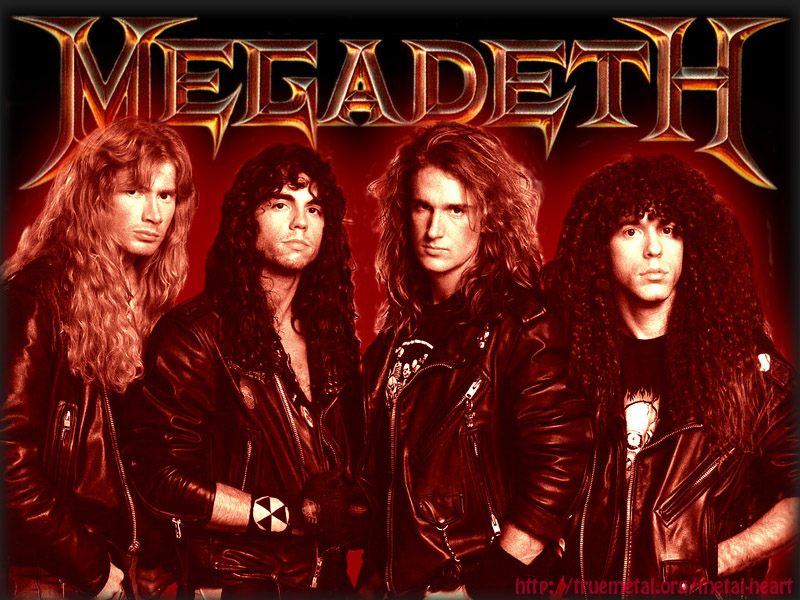
Dave Mustaine - too hard core for Metallica (what a bunch of sellout pansies to have to kick him out), formed his own band called Megadeth, and beat George Clinton on Rock and Roll Jeopardy not sure how Dans can top this...
Hmmm Goodbye Dan Marino perhaps?
-Nüdge
This one will require some feedback. As you all know the epic battle between Dans and Daves has raged since the early 1990's. Dans would argue that winning the gold medal in the 1996 Olympics clearly is the trump card in the classic battle. However, Daves may counter that no medal can account for the epic fail that was Dan's lack of qualifying in 1992 after all the hype.

There is no doubt that Dan in Real Life is superior to Meet Dave, but what about Dave, a pretty solid flic and most likely Ben Kingsleys greatest role, sorry Ghandi. Since this is a music blog maybe we should settle it there so I have a reason to post this here.
Dave Matthews -- what would you say, I say weak sauce, but still better than 80% of the crap out there.
Steely Dan -- solid band, sweet light show, Reeling in the years, and mad props to any band that Michael McDonald contributed to.
Dave Grohl - would be a positve for Daves all over had he stopped at Nirvana, however the addition of "There goes my Heeerooo watch him as he goes" to his resume, makes me watch his positive impact for Dave's go as well.
Banjo Dan and the Midnight Plowboys - wow mad points for Dans everywhere on this one: --US Senator Patrick Leahy: "Thanks, Dan. What a production!" Hard to argue this is not a blow to Daves around the globe.
Dave Mason - this is a good one for Daves, he played with just about everyone, Traffic kicks ass, and he plays the acoustic on Hendrix's version of All Along the Watchtower
Dave Mustaine - too hard core for Metallica (what a bunch of sellout pansies to have to kick him out), formed his own band called Megadeth, and beat George Clinton on Rock and Roll Jeopardy not sure how Dans can top this...

Hmmm Goodbye Dan Marino perhaps?
-Nüdge
Thursday, September 10, 2009
K&W Calling
While we wait endlessly for Boomer to post his next musings, I have decided to break my place in line and post since Boomer is taking months and is a lazy ass, anyways I was recently inspired by two great things: The K&W Cafeteria and The Clash's London calling. I thought to myself, wouldn't it be great if two classics like this could be combined some how, so below is the love child of the song and the food, you can see the two really do belong together like peanut butter and jelly, if peanut butter were a song by a british punk band and jelly was a southern food cafeteria that is. Enjoy with a little biscuit and excitement on the side:
♫ K&W calling to the faraway towns
Lunch time is declared - and trays come down
K&W calling to the hungerworld
Come out of the cupboard,you boys and girls
K&W calling, now don't eat too much
Phoney Picadilly has bitten the dust
K&W calling, see we ain't got no dumplings
'Cept for liver and onions and that luncheon thing
CHORUS
The seniors are coming, lard asses zooming in
Jello mold and pies, no hope in growing thin
A vegan's terror, but I have no fear
Cause K&W is open and graavvvy, flows like a river!
K&W calling to the stomach alone?
Forget it, brother, throw the taste buds a bone
K&W calling may lead to our death
Keep pigging out - its better than meth
K&W calling - and I don't wanna shout
But while we were talking I saw lines thinning out
K&W calling, see they ain't got no fries
Except for that skin on drumsticks and thighs
CHORUS x2
The seniors are coming, lard asses zooming in
Jello mold and pies, no hope in growing thin
A vegan's terror, but I have no fear
Cause K&W is open and graavvvy, flows like a river!
Now get this
K&W calling, yes, I was there, too
An' you know what they said? Well, some of it was true!
K&W calling pan pie for a while,
And after soft rolls, won't you give me a smile?
K&W Calling
I never felt so much alike, like-a, like-a...
♫ K&W calling to the faraway towns
Lunch time is declared - and trays come down
K&W calling to the hungerworld
Come out of the cupboard,you boys and girls
K&W calling, now don't eat too much
Phoney Picadilly has bitten the dust
K&W calling, see we ain't got no dumplings
'Cept for liver and onions and that luncheon thing
CHORUS
The seniors are coming, lard asses zooming in
Jello mold and pies, no hope in growing thin
A vegan's terror, but I have no fear

Cause K&W is open and graavvvy, flows like a river!

K&W calling to the stomach alone?
Forget it, brother, throw the taste buds a bone
K&W calling may lead to our death
Keep pigging out - its better than meth

K&W calling - and I don't wanna shout
But while we were talking I saw lines thinning out
K&W calling, see they ain't got no fries
Except for that skin on drumsticks and thighs
CHORUS x2
The seniors are coming, lard asses zooming in
Jello mold and pies, no hope in growing thin

A vegan's terror, but I have no fear
Cause K&W is open and graavvvy, flows like a river!
Now get this
K&W calling, yes, I was there, too
An' you know what they said? Well, some of it was true!
K&W calling pan pie for a while,

And after soft rolls, won't you give me a smile?
K&W Calling
I never felt so much alike, like-a, like-a...
Monday, March 2, 2009
Top 5 Worst Songs by Great Artists
So The Nüdge has a penchant for making top 5 lists, my goal is to make enough over time that I can eventually make a Top 5 Top 5 lists list. So we are going to start it off with the Top 5 Worst Songs by Great Artists. Let me explain the criteria I am using a bit. In order to be eligible the song must be really, really bad but performed by an artist I think is really good. So for instance while I may be tempted to put every song ever played by the The Eagles on the list, I cannot because that would imply that in spite of this one song (in this case their entire repertoire) that they are still great which they clearly are not. The same analogy also works for Aerosmith, although they may be eligible for a future Top 5 list: Top 5 Great Songs by Horrible Artists. Anyways I think you get the point, feel free to comment and add suggestions, if they are bad enough I may have to edit the list, like the Constitution it can be viewed as a living and breathing document.
5) Tears in Heaven - Eric Clapton - I know this one will be a controversial pick because of the subject matter of this song but seriously this is the guy who rocked with Cream, ripped Crossroads, played Further on up the Road at the Last Waltz, and who covers J.J. Cale like no other not once but twice, and we have to listen to this. Add the requisite saturation through constant radio play and the sympathy Grammy's and this song becomes borderline unbearable.
4)Shiny Happy People-R.E.M. - This song makes me want to shoot myself in the head. And just when you thought it couldn't be worse... , actually I take it back that may be better.
3)France - The Grateful Dead - This song is so bad I cannot find an Internet link for audio of it, the best I can do is find a site that scrolls the lyrics, my only guess is because to play the song would immediately bankrupt the web provider. Seriously find the Shakedown Street album put it on Track 2 and wonder to yourself how this is not #1 on my list, especially compared to this from the same album. Thanks for letting Mickey Hart write a song and Donna Jean sing one guys. If this had been written by Weir/Barlow or Garcia/Hunter it might really be #1, it slides to #3 because maybe they were just throwing Mickey a bone by putting it on the album either that or they had found some really really potent drugs at the time. Never Performed Live.
2)Higher Love - Steve Winwood - This song is so bad it almost makes you forget how great Steve Winwood actually is. From Spencer Davis Group to Traffic to Blind Faith (a band with two members cracking this list) Steve Winwood was an artist that other artists wanted to play with. I saw a Biography on Jimi Hendrix where a close friend of his is talking about how Jimi always wanted to play with Steve Winwood but was too nervous to ask, something tell me if he had been around for this release it may have settled his nerves a bit.
1)I'm No Angel - Gregg Allman - When I first found out this was Gregg Allman I did not believe it, I actually thought it was Eddie Money for years. Boasting great lyrics such as "Come and let me show you my tattoo" it is hard to see where this song steered so far wrong. I can only rest easy that Gregg Allman did not end his career with this, and has since been touring with The Allman Brothers Band and not playing this garbage. Talk about a roller coaster, start with this brilliance then move to what we are discussing and then come full circle to end well.
Others receiving votes: Kokomo - The Beach Boys, Savoy Truffle - The Beatles, The entire Album -Ball - Widespread Panic.
Ok there is my list, have at it, up next Top 5 Worst Venues to see a show.
Nüdge out.

5) Tears in Heaven - Eric Clapton - I know this one will be a controversial pick because of the subject matter of this song but seriously this is the guy who rocked with Cream, ripped Crossroads, played Further on up the Road at the Last Waltz, and who covers J.J. Cale like no other not once but twice, and we have to listen to this. Add the requisite saturation through constant radio play and the sympathy Grammy's and this song becomes borderline unbearable.

4)Shiny Happy People-R.E.M. - This song makes me want to shoot myself in the head. And just when you thought it couldn't be worse... , actually I take it back that may be better.
3)France - The Grateful Dead - This song is so bad I cannot find an Internet link for audio of it, the best I can do is find a site that scrolls the lyrics, my only guess is because to play the song would immediately bankrupt the web provider. Seriously find the Shakedown Street album put it on Track 2 and wonder to yourself how this is not #1 on my list, especially compared to this from the same album. Thanks for letting Mickey Hart write a song and Donna Jean sing one guys. If this had been written by Weir/Barlow or Garcia/Hunter it might really be #1, it slides to #3 because maybe they were just throwing Mickey a bone by putting it on the album either that or they had found some really really potent drugs at the time. Never Performed Live.
2)Higher Love - Steve Winwood - This song is so bad it almost makes you forget how great Steve Winwood actually is. From Spencer Davis Group to Traffic to Blind Faith (a band with two members cracking this list) Steve Winwood was an artist that other artists wanted to play with. I saw a Biography on Jimi Hendrix where a close friend of his is talking about how Jimi always wanted to play with Steve Winwood but was too nervous to ask, something tell me if he had been around for this release it may have settled his nerves a bit.
1)I'm No Angel - Gregg Allman - When I first found out this was Gregg Allman I did not believe it, I actually thought it was Eddie Money for years. Boasting great lyrics such as "Come and let me show you my tattoo" it is hard to see where this song steered so far wrong. I can only rest easy that Gregg Allman did not end his career with this, and has since been touring with The Allman Brothers Band and not playing this garbage. Talk about a roller coaster, start with this brilliance then move to what we are discussing and then come full circle to end well.

Others receiving votes: Kokomo - The Beach Boys, Savoy Truffle - The Beatles, The entire Album -Ball - Widespread Panic.
Ok there is my list, have at it, up next Top 5 Worst Venues to see a show.
Nüdge out.
Friday, February 27, 2009
That Sweet New Orleans Piano Sound
Everybody has heard of the blues and jazz. But, have you ever heard of boogie woogie, zydeco, stride, ragtime, and calypso? Well believe it or not, all seven of these musical forms played an important role in shaping and influencing the amorphous genre we call rock and roll.
As one of the big three centers for the development of American roots music, New Orleans has been home to an incredible collection of artists over the decades, many of whom commanded the above musical styles. For me, two N'Awlinz players in particular blended all these genres into one savory gumbo of ivory tickling greatness: Professor Longhair and James Booker.
I'll spare you the full biography of either of these two legends (though if your interested, see here, and here), but I will talk just a little about their music. A lot of people (but probably not enough) are familiar with the music of Professor Longhair. He won a posthumous Grammy winner in 1987, he was a Rock & Roll Hall of Fame inductee in 1992, and his album "New Orleans Piano" was voted #220 on Rolling Stones' 500 Greatest Albums list.
Fess, as he we called later in his career, has been credited as the founder of the New Orleans piano style. This style is generally characterized as a combination of all the above musical forms, with a special focus on the player's technique. This difficult technique involves using the left hand to continuously pound out bass line chord walks, while contemporaneously using the right hand to accent the bass notes and chords with lead style runs that fly all over the keys. In short, this.
Professor Longhair was not only the creator of this sound, but many today still consider his work on the keys to be the best ever produced. One of his most famous songs, and one that really showcases how uniquely talented this guy was (it also happens to be my favorite by him) is the eccentric tune "Tipitina". If you've ever been to New Orleans, you may have noticed a famous music club there in the city by the same name. Now you know where the name of the club came from. Here are some other great glimpses of the Fess: "Hey Little Girl," "Bald Head," and "Everyday I Have the Blues." All it takes is one listen to this stuff and there's no question that this guy helped pave the way for rock and roll.
James Booker came along as a recording artist a decade after rock and roll had cemented its place in American culture. However, thanks to his immense talent on the piano and his flare for performing, it didn't take long for the even the best musicians out there to name him as one of their influences. As you probably noticed from the above videos, Professor Longhair could really do a lot with the keys. But, in my opinion, Booker could do even more (especially with his left hand playing bass note walks.) He was classically trained on the piano, and was reputed to have learned entire compositions from Chopin, Bach and Rachmananoff after only one listen. Somehow, he was actually able to incorporate these classical sounds into his modern New Orleans style. Booker was nothing short of a virtuoso.
Tragically, he suffered from lifelong mental illness and battled a sever drug problem which eventually took his life. Despite this, much of his music still lives on. Booker is much less well known than Professor Longhair, so it's a lot harder to find links to his stuff online. By far, my favorite Booker tune is his take on the blues/jazz classic "Junco Partner." Unfortunately, I could not find a link to Booker's recording of the song (other than the 5 second preview on Amazon), so I will just have to link you to Dr. John's attempt; while good, it can't touch Booker's version of the song, trust me. There are, on other hand, some great examples of Booker's playing on these (mostly instrumentals): "Pixie,"Put Out the Light," "Yes Sir That's My Baby," and an untitled recording.
An interesting note is that Booker schooled a young Harry Connick, Jr. on how to play New Orleans style blues - can you tell?
For anyone who likes the blues, jazz and/or rock & roll, I would strongly suggest getting to know these two artists. There's no better place to start than here: for Professor Longhair start with the album New Orleans Piano; for James Booker start with any of these three records. Buy, download or steal, you'll be happy that these albums were added to your collection.
Boomer

As one of the big three centers for the development of American roots music, New Orleans has been home to an incredible collection of artists over the decades, many of whom commanded the above musical styles. For me, two N'Awlinz players in particular blended all these genres into one savory gumbo of ivory tickling greatness: Professor Longhair and James Booker.


I'll spare you the full biography of either of these two legends (though if your interested, see here, and here), but I will talk just a little about their music. A lot of people (but probably not enough) are familiar with the music of Professor Longhair. He won a posthumous Grammy winner in 1987, he was a Rock & Roll Hall of Fame inductee in 1992, and his album "New Orleans Piano" was voted #220 on Rolling Stones' 500 Greatest Albums list.
Fess, as he we called later in his career, has been credited as the founder of the New Orleans piano style. This style is generally characterized as a combination of all the above musical forms, with a special focus on the player's technique. This difficult technique involves using the left hand to continuously pound out bass line chord walks, while contemporaneously using the right hand to accent the bass notes and chords with lead style runs that fly all over the keys. In short, this.
Professor Longhair was not only the creator of this sound, but many today still consider his work on the keys to be the best ever produced. One of his most famous songs, and one that really showcases how uniquely talented this guy was (it also happens to be my favorite by him) is the eccentric tune "Tipitina". If you've ever been to New Orleans, you may have noticed a famous music club there in the city by the same name. Now you know where the name of the club came from. Here are some other great glimpses of the Fess: "Hey Little Girl," "Bald Head," and "Everyday I Have the Blues." All it takes is one listen to this stuff and there's no question that this guy helped pave the way for rock and roll.
James Booker came along as a recording artist a decade after rock and roll had cemented its place in American culture. However, thanks to his immense talent on the piano and his flare for performing, it didn't take long for the even the best musicians out there to name him as one of their influences. As you probably noticed from the above videos, Professor Longhair could really do a lot with the keys. But, in my opinion, Booker could do even more (especially with his left hand playing bass note walks.) He was classically trained on the piano, and was reputed to have learned entire compositions from Chopin, Bach and Rachmananoff after only one listen. Somehow, he was actually able to incorporate these classical sounds into his modern New Orleans style. Booker was nothing short of a virtuoso.
Tragically, he suffered from lifelong mental illness and battled a sever drug problem which eventually took his life. Despite this, much of his music still lives on. Booker is much less well known than Professor Longhair, so it's a lot harder to find links to his stuff online. By far, my favorite Booker tune is his take on the blues/jazz classic "Junco Partner." Unfortunately, I could not find a link to Booker's recording of the song (other than the 5 second preview on Amazon), so I will just have to link you to Dr. John's attempt; while good, it can't touch Booker's version of the song, trust me. There are, on other hand, some great examples of Booker's playing on these (mostly instrumentals): "Pixie,"Put Out the Light," "Yes Sir That's My Baby," and an untitled recording.
An interesting note is that Booker schooled a young Harry Connick, Jr. on how to play New Orleans style blues - can you tell?
For anyone who likes the blues, jazz and/or rock & roll, I would strongly suggest getting to know these two artists. There's no better place to start than here: for Professor Longhair start with the album New Orleans Piano; for James Booker start with any of these three records. Buy, download or steal, you'll be happy that these albums were added to your collection.
Boomer
Wednesday, February 25, 2009
Be on the Lookout for Some Guest Gyros!
Just an FYI to our readers,
The Nüdge and I have many compadres out there who not only know a ton about music, but also bring very different perspectives to the party (not that anyone would ever need viewpoints beyond the brilliance that we already offer.)
Quite a few of these folks have guest authorship privileges in here, and we look forward to their analyses and reviews. So, be on the lookout for these fresh new commentators.
Boomer
The Nüdge and I have many compadres out there who not only know a ton about music, but also bring very different perspectives to the party (not that anyone would ever need viewpoints beyond the brilliance that we already offer.)
Quite a few of these folks have guest authorship privileges in here, and we look forward to their analyses and reviews. So, be on the lookout for these fresh new commentators.
Boomer
Subscribe to:
Posts (Atom)